EMU & High-Speed Rail
Brake disc application support for EMU and high-speed passenger rail projects requiring stable braking performance, dimensional accuracy, heat resistance and traceable quality documents.
Application communication support for EMU, high-speed rail, metro, urban rail, intercity passenger trains, MRO replacement demand and export railway projects. We help buyers move from application review to drawing-based RFQ, sample development and quality document coordination, including thermal cracking resistance, dynamic balance and high-speed rail bogie component review.
This page is designed for technical buyers who need to evaluate whether a brake disc supplier can support the right railway vehicle application, project stage and document process.
Brake disc application support for EMU and high-speed passenger rail projects requiring stable braking performance, dimensional accuracy, heat resistance and traceable quality documents.
Support for metro and urban transit systems with frequent braking cycles, continuous maintenance requirements and repeatable replacement supply needs.
Application matching for intercity and regional passenger rail vehicles where speed class, route conditions and maintenance cycles affect brake disc specification review.
Project-based support for vehicle manufacturers, braking system suppliers and railway component integrators during platform development, localization or qualification review.
Support for operators, MRO companies and spare parts suppliers that need drawing review, sample matching, small-batch verification and repeat supply coordination.
Export support for localized railway projects requiring supplier communication, document coordination, inspection records, packaging review and shipment follow-up.
These application references help railway buyers connect real operating conditions with brake disc selection factors, including operating speed, train type, axle-mounted or wheel-mounted structure, material requirements and export documentation needs. Due to confidentiality requirements in railway projects, customer names, project files and detailed technical records may be disclosed only after qualification review or under NDA where applicable.
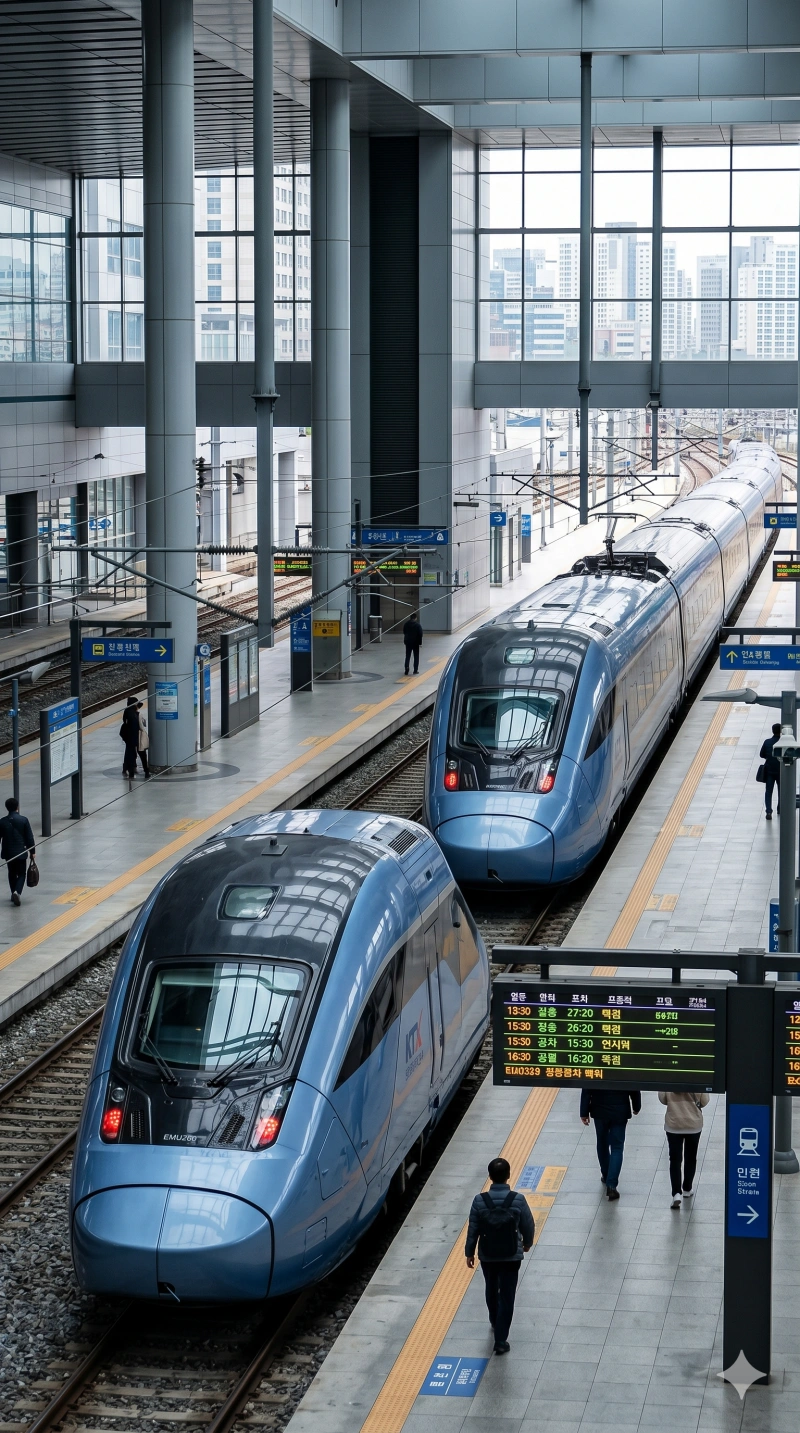
Wheel-mounted and axle-mounted brake disc applications for EMUs operating at 260 km/h and 320 km/h.
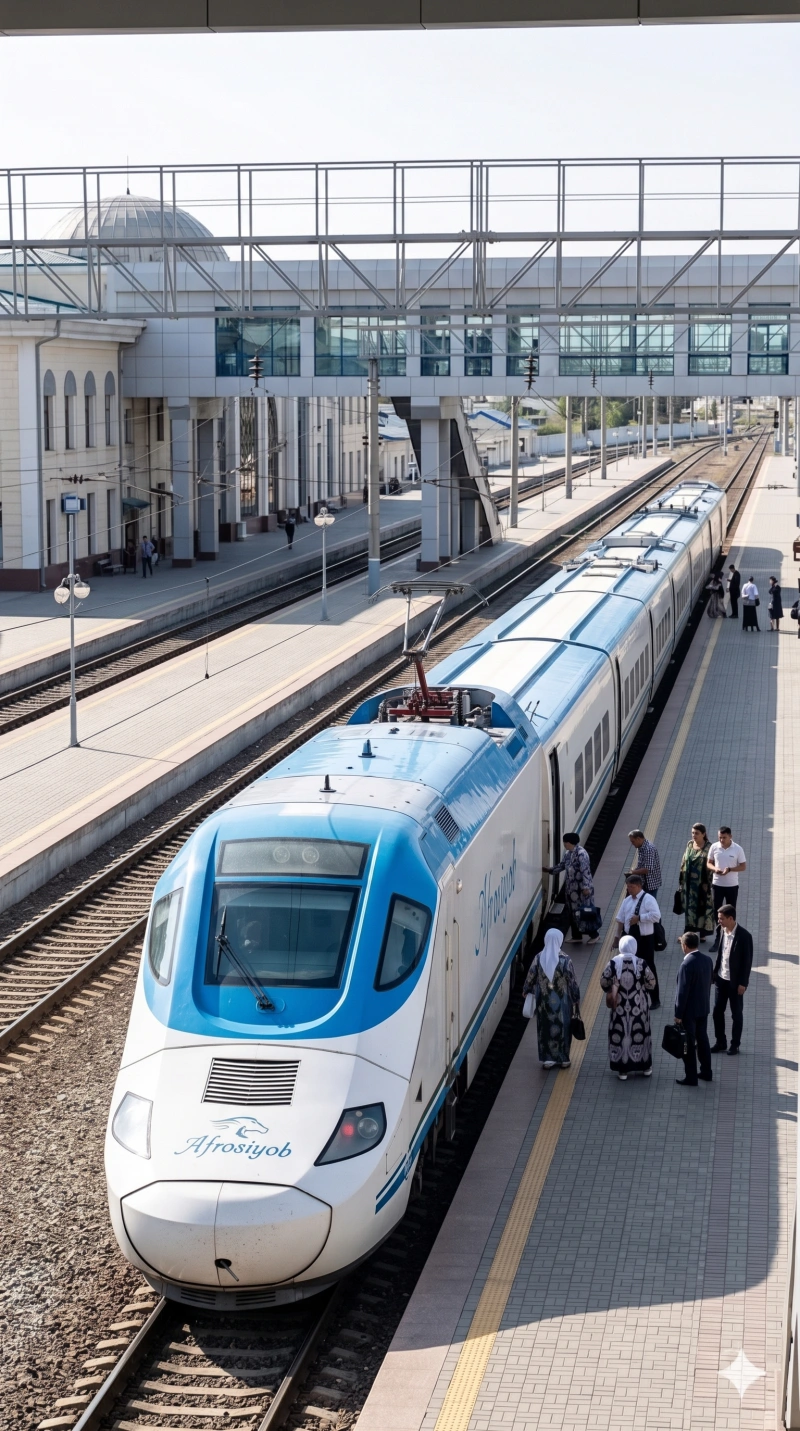
Brake disc applications for EMU250 trains operating at 250 km/h, supporting Central Asia railway project communication.
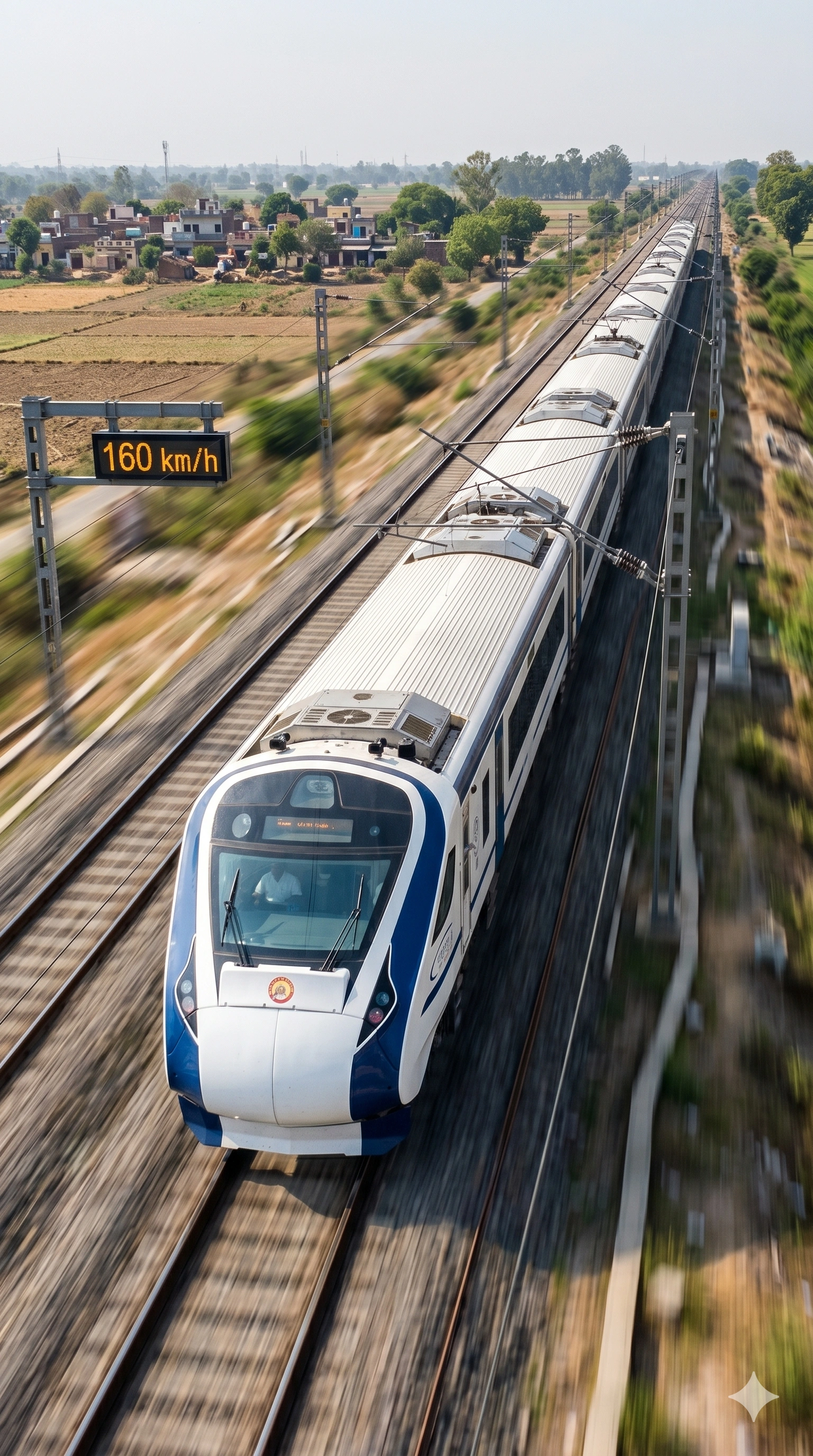
RDSO-certified brake disc project reference for 160 km/h passenger train applications.
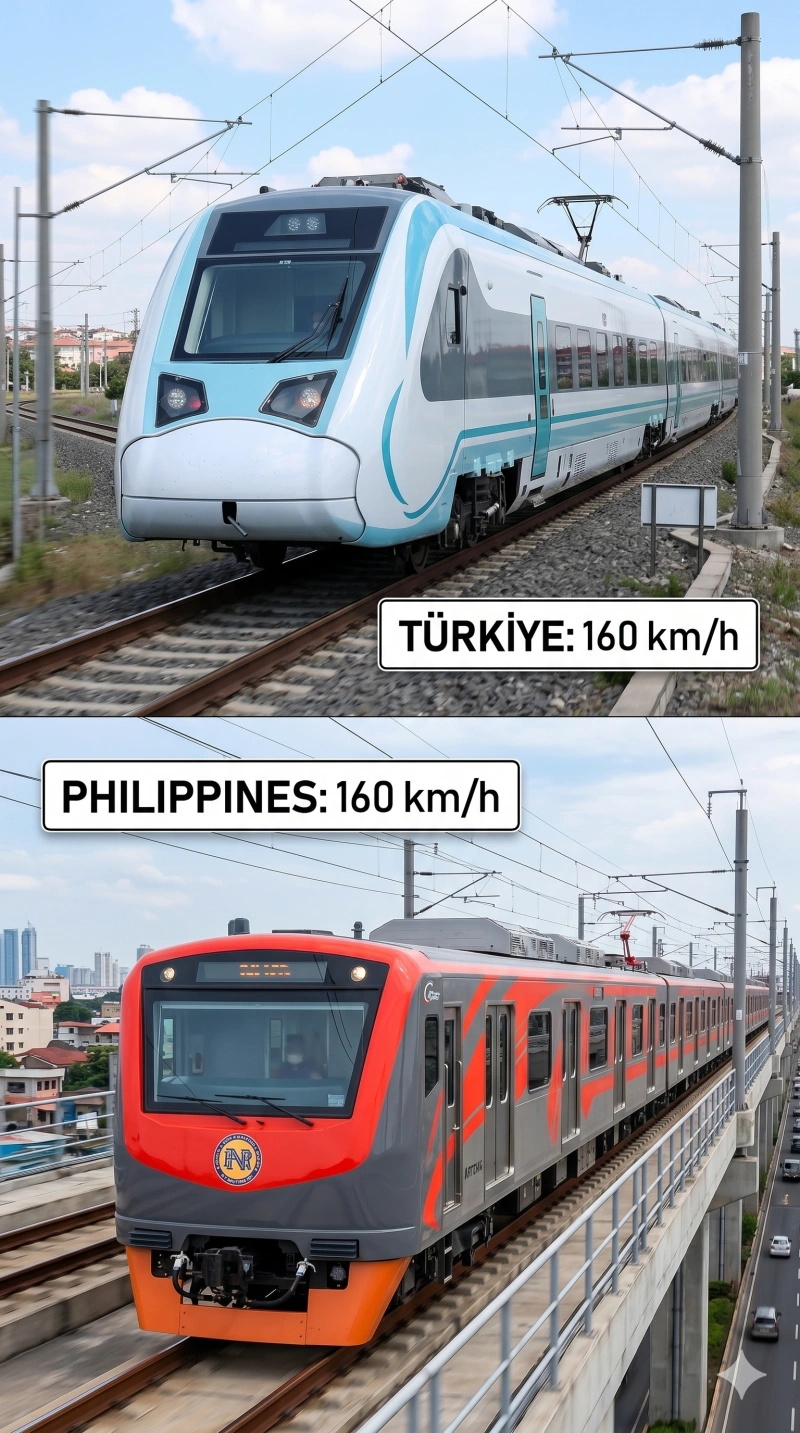
Wheel-mounted brake disc series for passenger rail applications operating at 160 km/h.
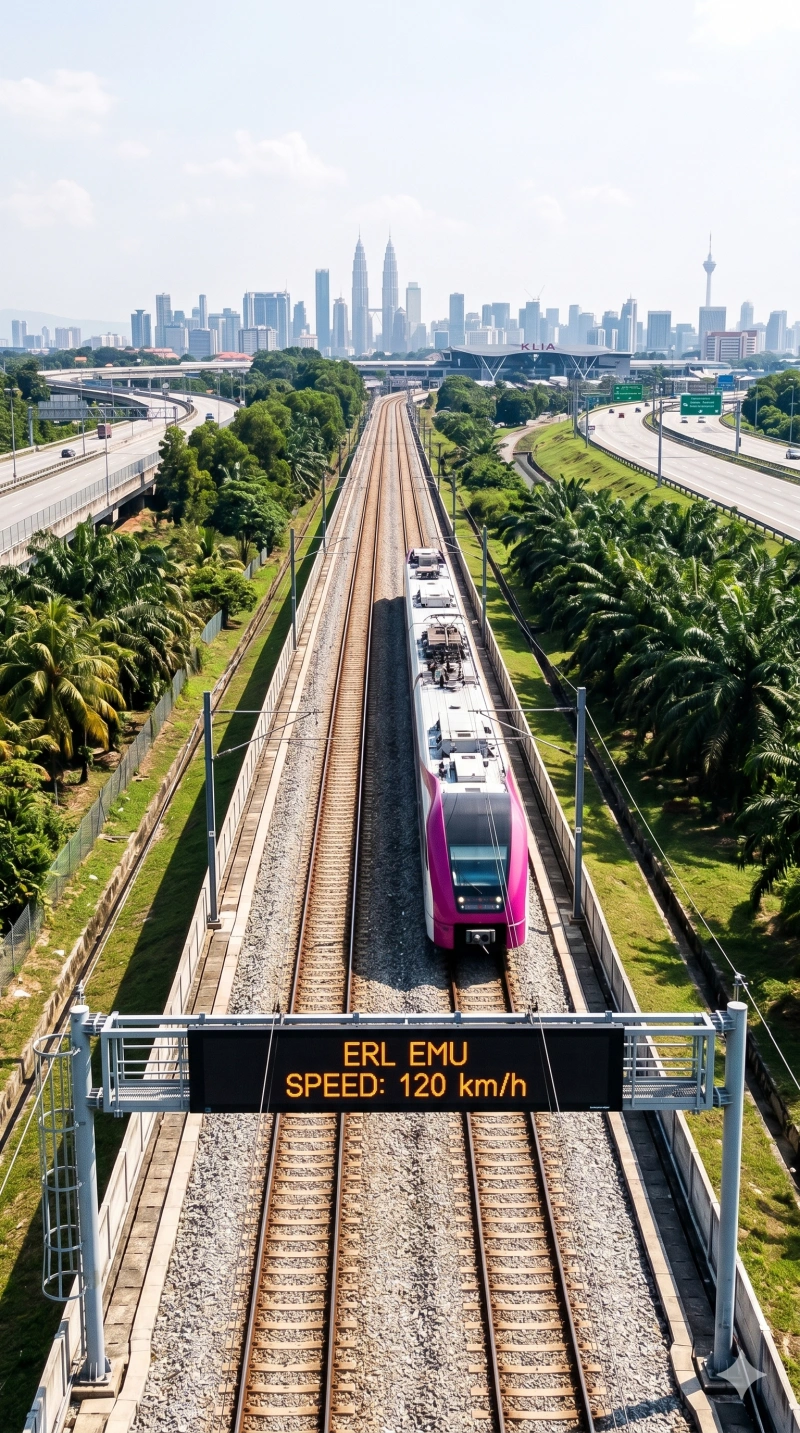
Brake disc applications for Malaysia East Coast Rail Link EMUs operating at 120 km/h.
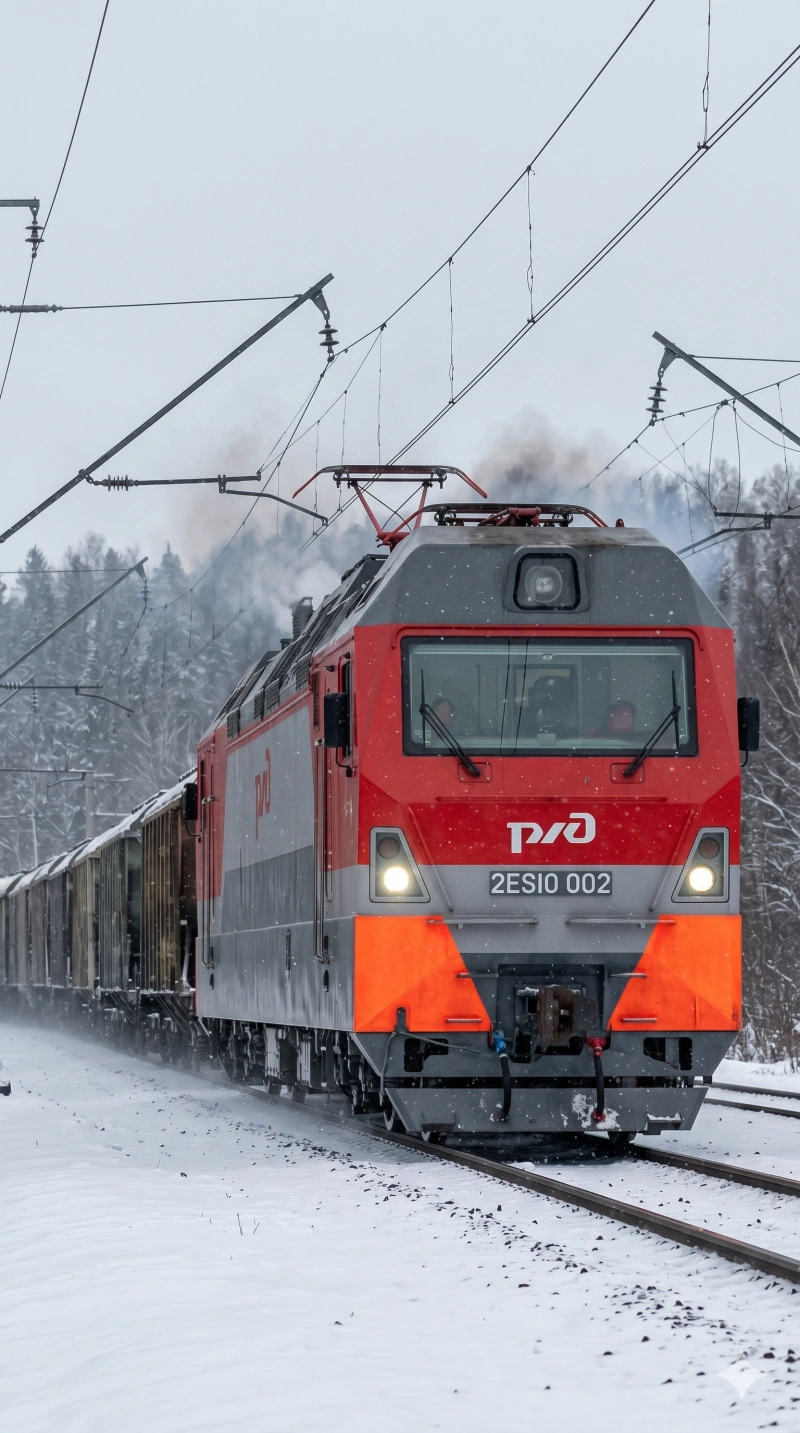
Split wheel-mounted brake disc applications for high-power locomotives operating at 120–160 km/h.
Send the vehicle type, operating speed, brake disc structure, destination country and required documents. We will help map your requirement to the closest application reference and technical review path.
Submit Application RFQEMU and high-speed rail brake discs are used in demanding passenger rail environments where braking safety, thermal stability, dynamic balance, dimensional consistency and batch traceability are essential.
For these applications, buyers usually evaluate not only the brake disc structure, but also manufacturing process control, inspection capability, drawing communication and long-term delivery stability.
Metro and urban rail systems operate under frequent start-stop conditions. Brake discs used in these vehicles must support predictable maintenance planning, stable batch quality and accurate replacement matching.
We support metro-related brake disc demand with drawing review, production resource coordination, inspection record communication, export packaging support and repeat-order follow-up.
For railway operators, MRO teams and spare parts integrators, replacement projects usually begin with accurate identification, drawing review, sample confirmation and document planning.
Customers provide drawings, dimensions, photos, model numbers or existing sample information. Sensitive files can be handled under NDA before deeper technical exchange.
Brake disc type, installation structure, material requirement, operating speed, application country and document scope are confirmed so the technical team can prioritize feedback for qualified RFQs.
The application is matched against available product types, production resources, testing capabilities and export requirements.
Sample production can be discussed according to project stage, buyer validation route and inspection requirements.
Material, dimensional, hardness, balancing, traceability and packing document requests can be coordinated by project stage.
After buyer approval, repeat orders can be supported with stable communication, export packaging and quality tracking.
Different rail applications require different review priorities. This table helps buyers prepare the right information before sending an RFQ.
| Application | Typical Buyer | Key Review Points | Recommended Inquiry Documents |
|---|---|---|---|
| EMU / High-Speed Rail | Vehicle manufacturer, braking system supplier, rail project integrator | Material route, heat resistance, dynamic balance, dimensional control, testing records | Drawing, technical specification, target standard, operating speed and project stage |
| Metro / Urban Rail | Operator, MRO team, spare parts supplier | Frequent braking cycle, replacement accuracy, repeat supply and inspection record consistency | Existing part drawing, sample photos, annual demand and maintenance schedule |
| Intercity Rail | Rail project contractor, vehicle platform supplier, integrator | Operating condition, route profile, inspection requirement and export packing | Vehicle type, destination country, drawing package and required document list |
| Replacement Demand | MRO company, railway spare parts distributor, maintenance contractor | Reverse matching, dimensional confirmation, sample validation and batch consistency | Part number if available, photos, dimensions, material requirement and quantity |
| OEM / Localization Project | OEM, Tier 1 supplier, local assembly or localization partner | Qualification process, document control, long-term supply and compliance support | Project background, technical package, quality requirement and NDA request |
Brake disc application matching is not only product selection. It also requires manufacturing control, inspection capability, documentation support and traceable quality management.
Process communication covering casting or forging, machining, heat treatment, finishing, dynamic balancing and final inspection.
Support for dimensional inspection, material verification, hardness testing, non-destructive testing and balancing inspection discussions.
Testing summaries, inspection record lists and technical document requests can be prepared according to buyer stage and disclosure scope.
Traceability communication can cover raw material, production batch, inspection records, packaging and shipment documentation.
Not every visitor is ready to send an RFQ. This gated checklist gives engineers and procurement teams a safe first step before sharing drawings or full project files.
The checklist is designed for railway brake disc application review, MRO replacement identification and OEM/localization communication.
Use these questions to prepare your RFQ before sending drawings, samples or application details.
Yes. Customers can provide drawings, dimensions, photos, part numbers or sample information for preliminary technical review and RFQ communication.
Please provide vehicle type, operating speed, installation structure, brake disc dimensions, material requirement, destination country, quantity and required documents.
Sample development and small-batch verification can be discussed according to project requirements, technical documents and inspection scope.
Public content usually includes general capability information. Detailed test reports, drawings and references can be shared with qualified buyers after review or NDA where applicable.
Yes. Buyers can request a brake disc technical selection checklist to prepare dimensions, material questions, thermal cracking resistance concerns, inspection requirements and NDA files before the RFQ stage.
Yes. The material route depends on vehicle platform, brake system requirements, thermal behavior, operating conditions, buyer standards and validation process. Final selection should follow project specifications.
Send your drawing, sample photos, key dimensions, vehicle type, operating speed and project stage. NDA-protected technical files can be reviewed by controlled disclosure, and qualified RFQs can receive prioritized application feedback for quotation, sample development or quality documentation.